


[Figures are illustrated by me]
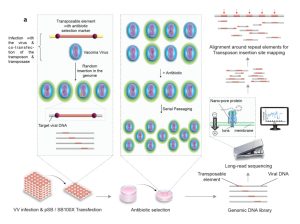
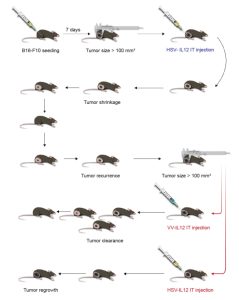
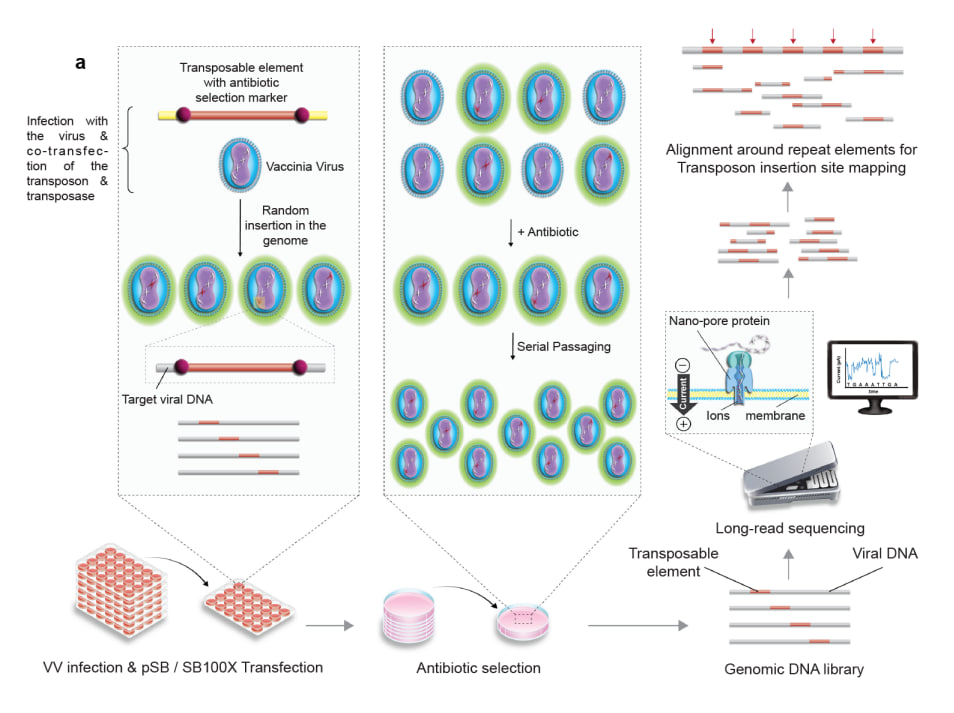
In this study, Rezaei’s group explored how viruses interact with host cells, focusing on the identification of viral genes that are essential for replication in normal cells but dispensable in cancerous ones. this study aimed to improve oncolytic viruses for cancer therapy by removing unnecessary or harmful viral genes and inserting immune-boosting transgenes. The researchers used the Sleeping Beauty transposon system and nanopore sequencing to identify stable insertion sites and dispensable genes in HSV-1 and vaccinia virus. Their strategy makes it faster and easier to design safer and more effective therapeutic viruses.
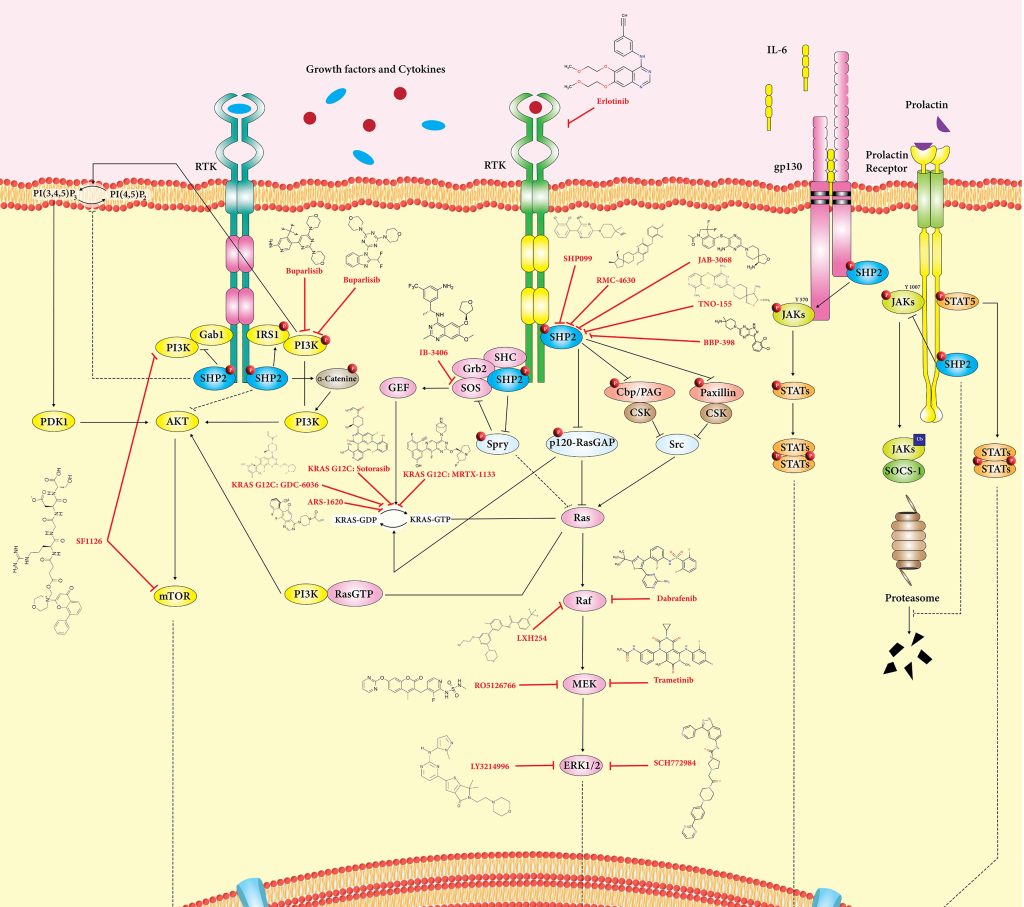
In this article, we explored the potential of SHP2, a key signaling phosphatase, as a therapeutic target in cancer treatment—particularly in overcoming resistance to immune checkpoint therapies. By reviewing current research and combinatorial strategies, the study highlights how inhibiting SHP2 can disrupt cancer-promoting pathways and re-sensitize tumors to immunotherapy. The paper emphasizes SHP2’s central role in both tumor and immune cells, presenting it as a promising druggable node for future targeted therapies.
This review explores how polyunsaturated fatty acids (PUFAs), especially omega-3 types, interact with key inflammatory and immune pathways in colorectal cancer (CRC). By examining the molecular mechanisms behind PUFA action, the study sheds light on their potential to influence tumorigenic signaling, immune responses, and therapeutic outcomes. The authors suggest that understanding these interactions could guide the development of novel therapeutic targets and inform combinatory strategies involving PUFAs with immune checkpoint inhibitors or targeted therapies—marking an important step toward more precise and effective interventions for CRC.