


This is where I share my scientific interests and publications.
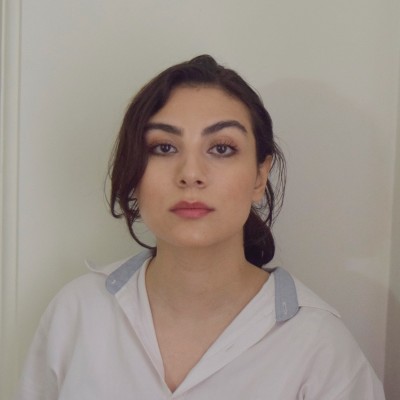
My name is Arezoo Sadeghipour. I am a passionate biochemist with an M.Sc. in Biochemistry, ranked among the top three in my program. My interest lies in ligand design and optimization driven by structural insight and biological evaluation. I have hands-on experience in cell culture, qRT-PCR, MTT and enzyme assays, molecular cloning, protein expression, and molecular docking. I aim to contribute to the development of ligand molecules for precise therapeutic targeting.

A few months ago, I was accepted to a fully funded PhD position at Illinois Tech in the U.S. for Fall 2025, which was the result of months of hard work and three intense interviews. I prepared, invested my time and energy, and believed I was on a clear path to study.
Then, after the U.S. travel ban for Iranians was announced, the university revoked my admission. There was no advance warning, no meaningful explanation — only the sudden deactivation of my portal. Months of effort, sleepless nights preparing for interviews, and plans I had built were swept away overnight.
This wasn’t just lost opportunity — it was also a significant amount of money: non-refundable MRV fees, embassy appointment costs, deposits, and even flights purchased to attend consular interviews in another country. I devoted months of my life and significant personal funds to this path, and I was treated as if none of that mattered.
I hope for a future where science and researchers are treated with dignity, where opportunities are based on merit rather than nationality or politics. 🌱
Even if the travel ban for Iranians were lifted, I wouldn’t return to a path where I once felt disrespected and lost my trust.
P.S: These were two of the best comments on my LinkedIn post:
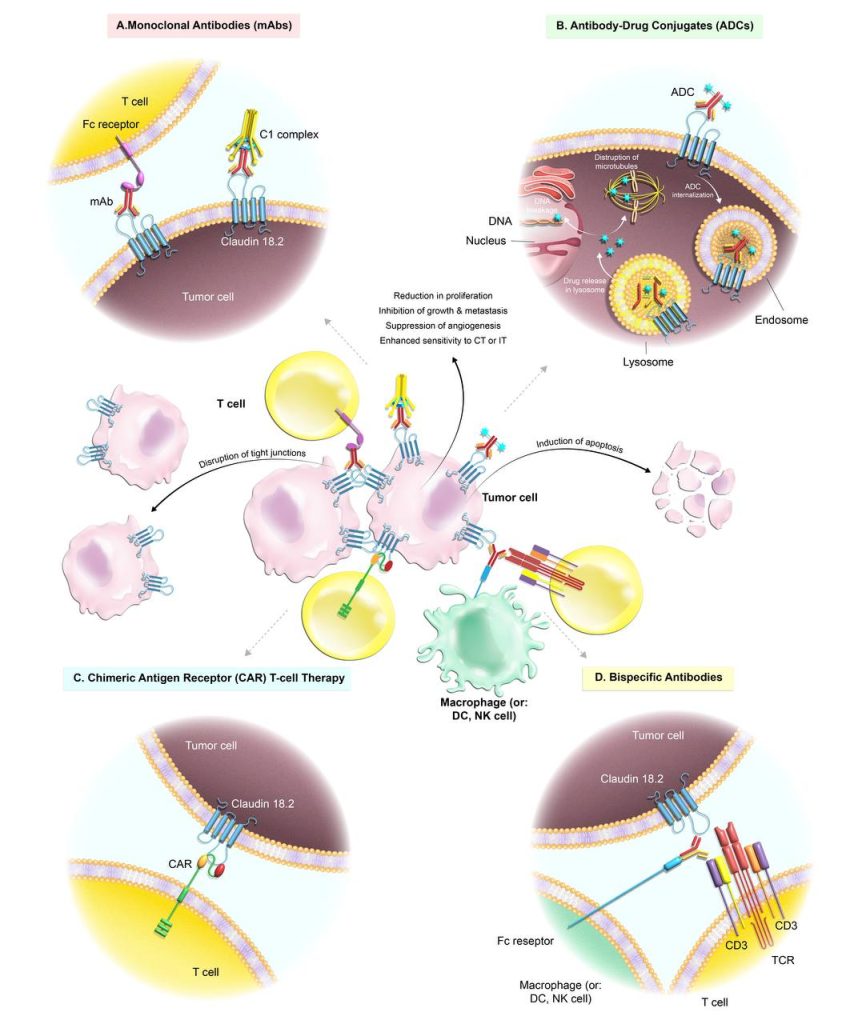
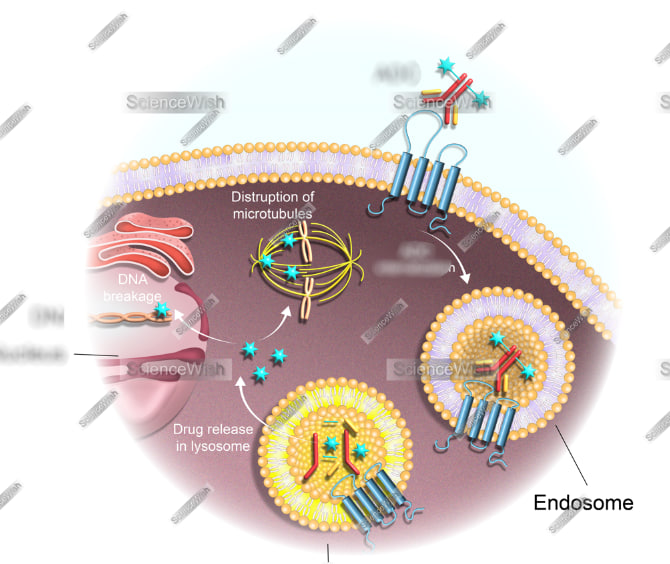
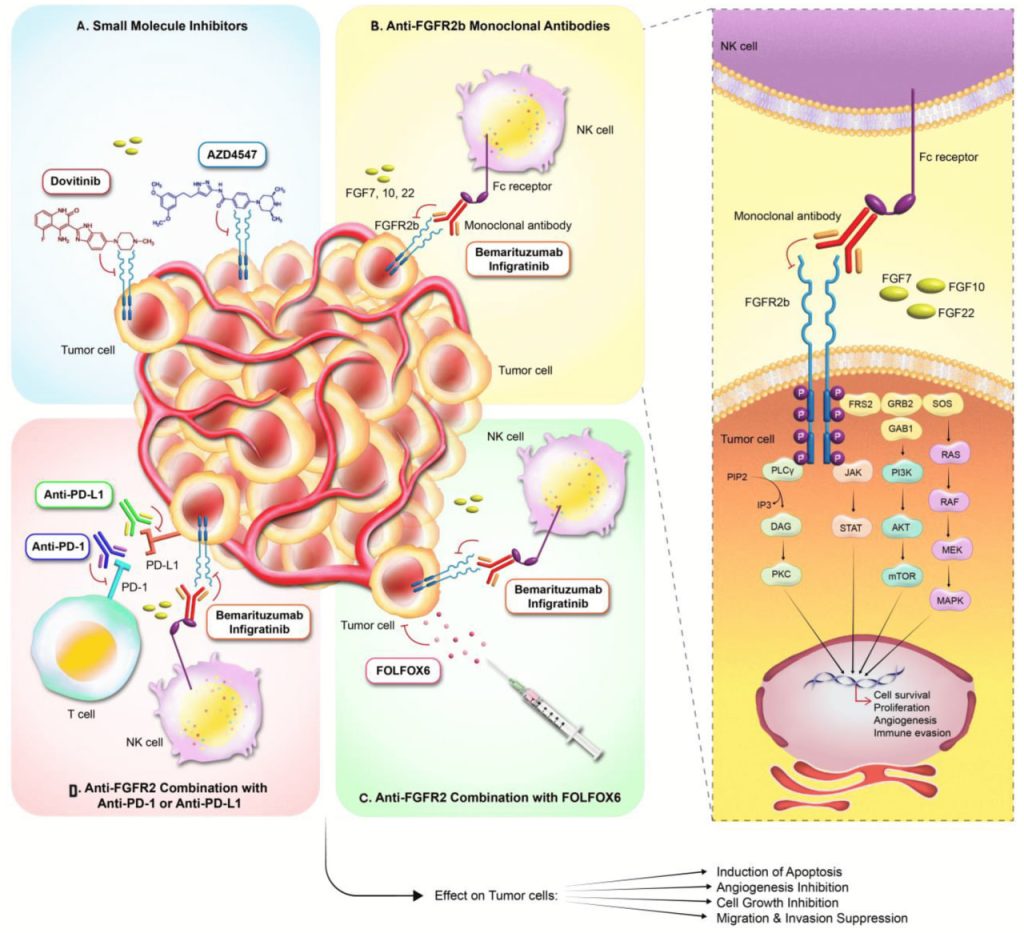
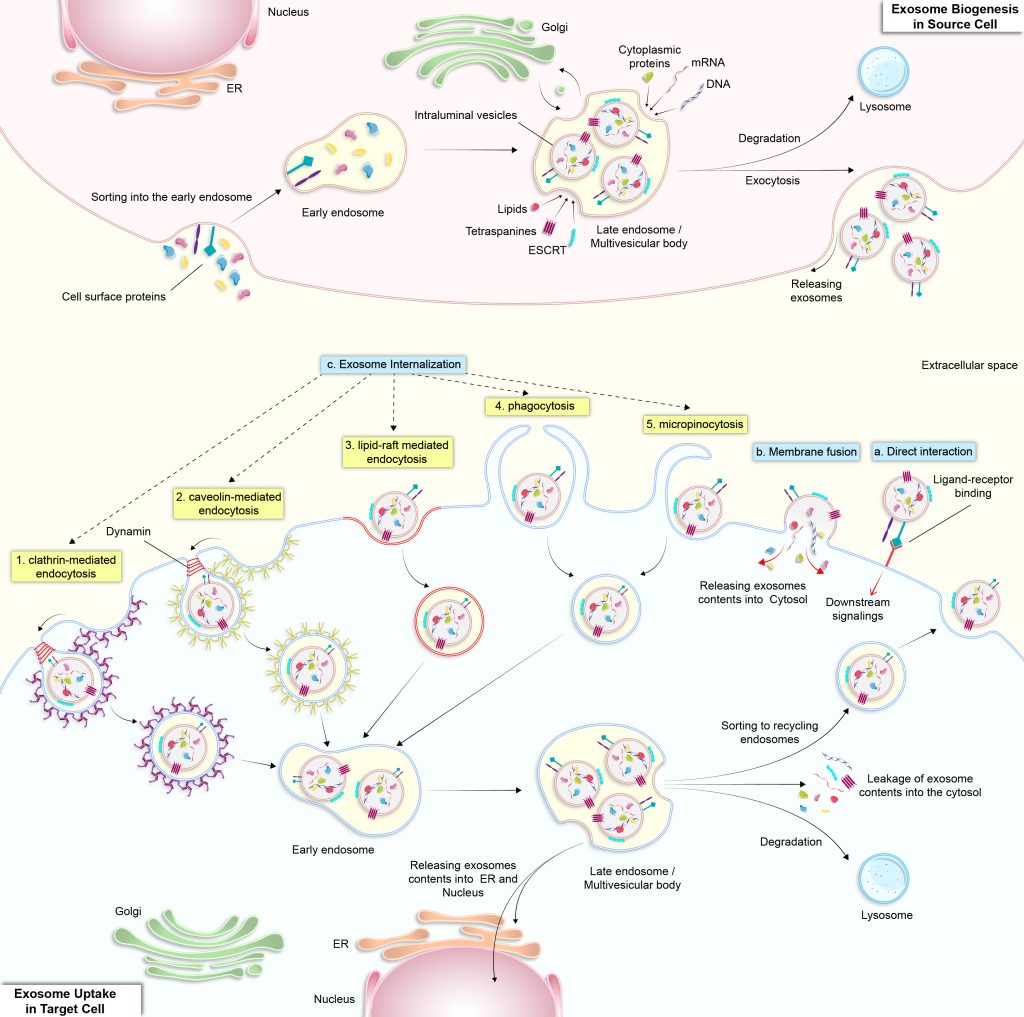
[Figures are illustrated by me]
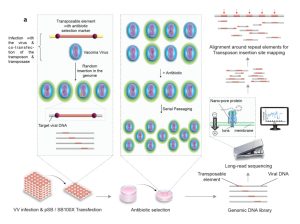
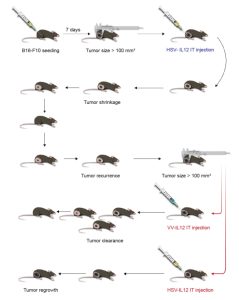
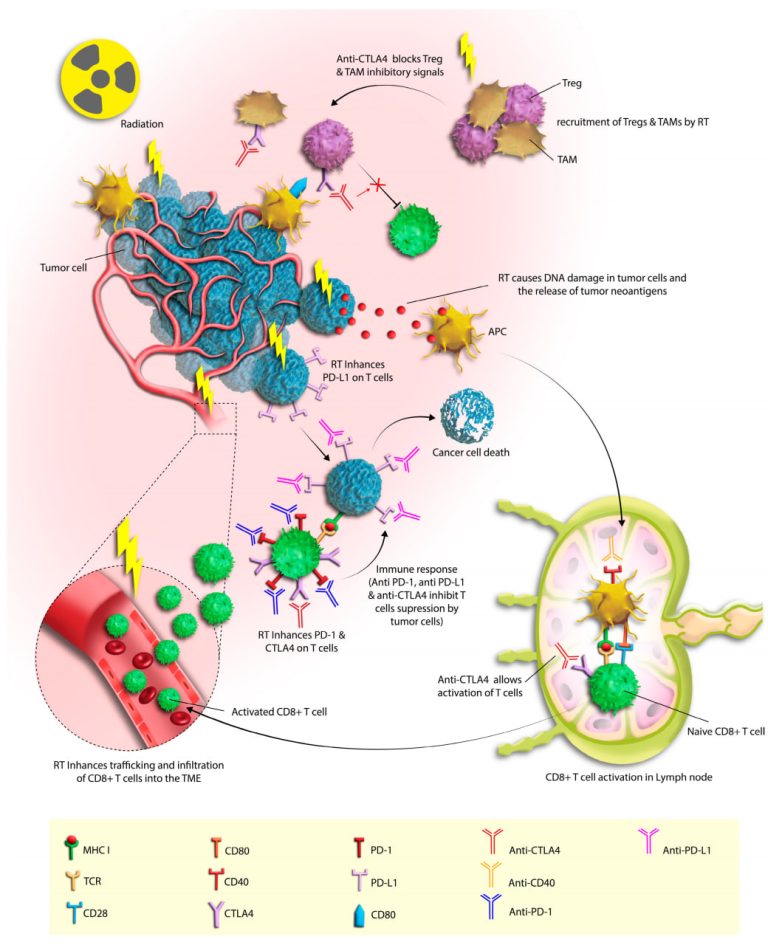
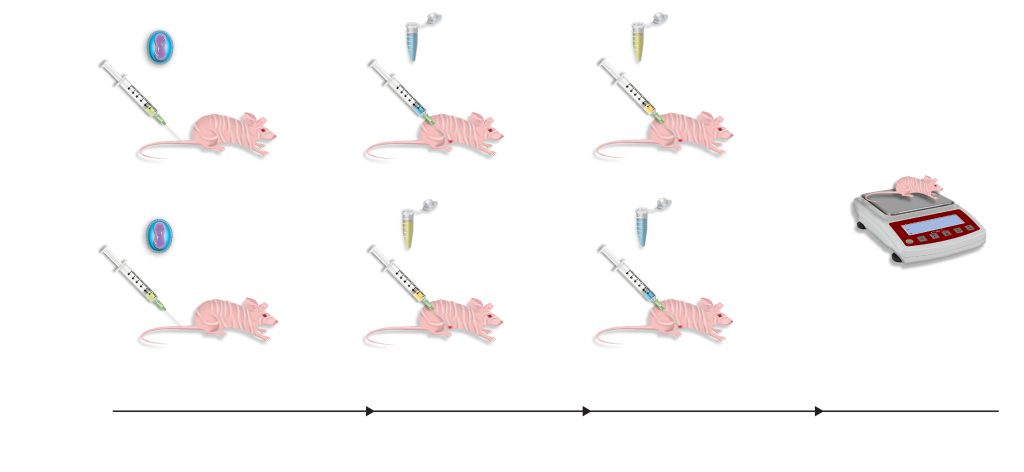
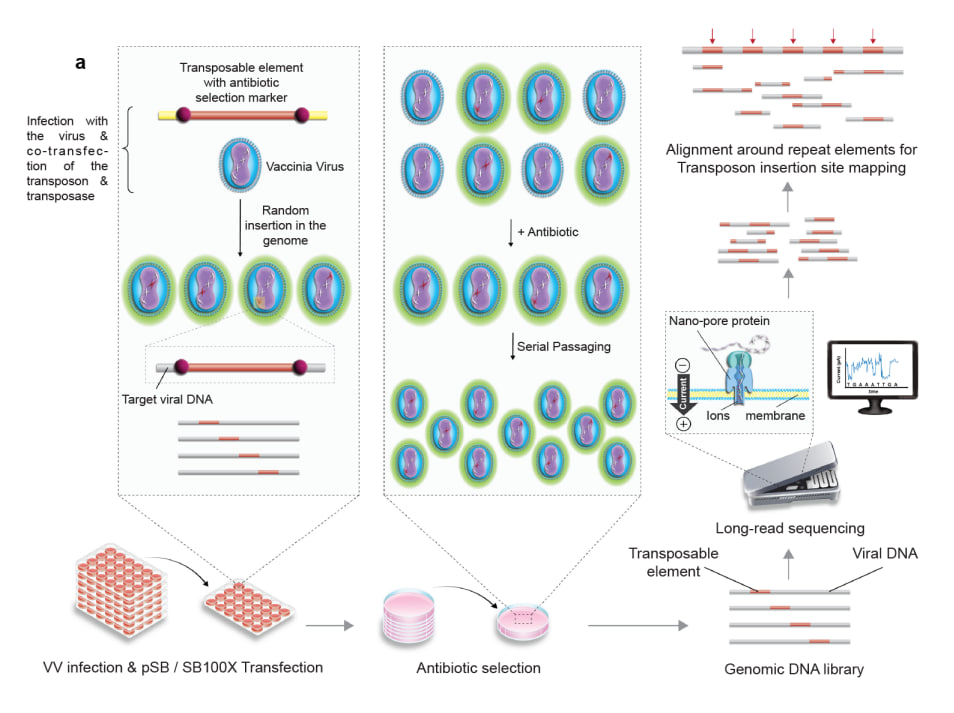
In this study, Rezaei’s group explored how viruses interact with host cells, focusing on the identification of viral genes that are essential for replication in normal cells but dispensable in cancerous ones. this study aimed to improve oncolytic viruses for cancer therapy by removing unnecessary or harmful viral genes and inserting immune-boosting transgenes. The researchers used the Sleeping Beauty transposon system and nanopore sequencing to identify stable insertion sites and dispensable genes in HSV-1 and vaccinia virus. Their strategy makes it faster and easier to design safer and more effective therapeutic viruses.
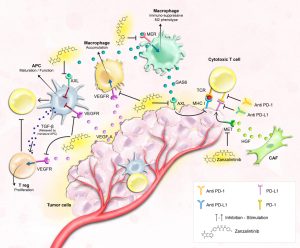
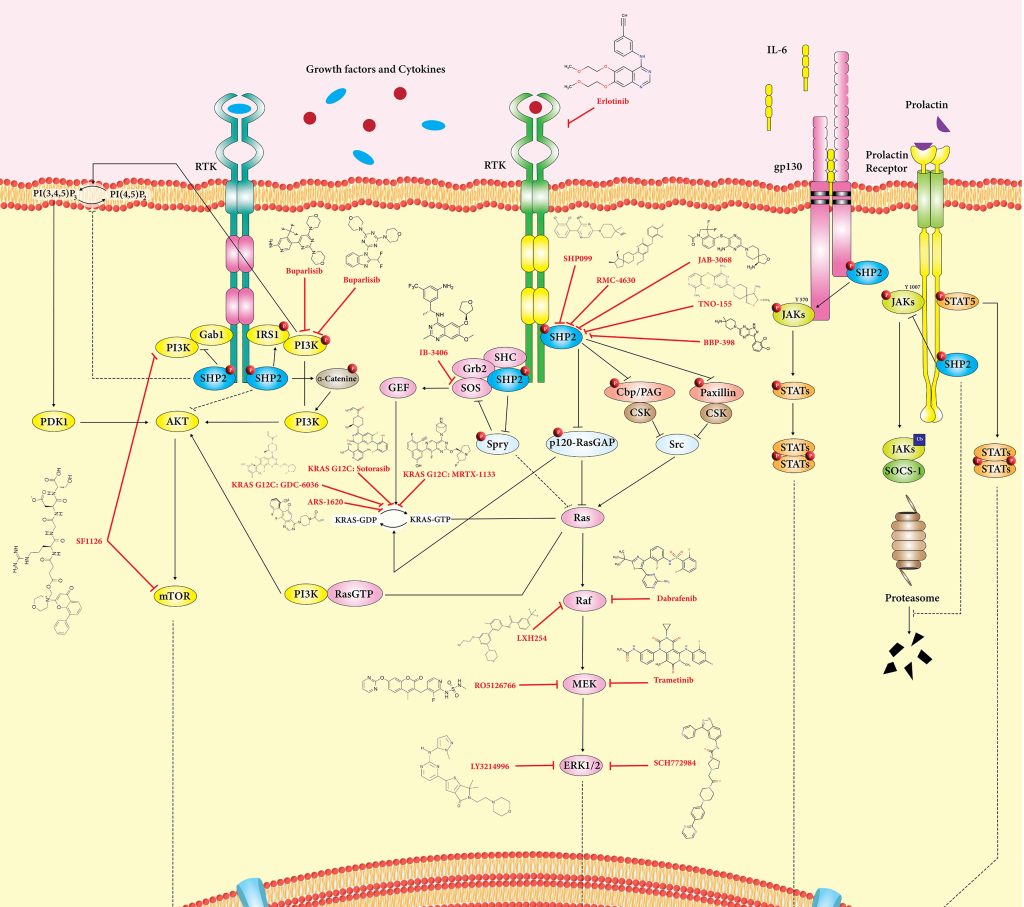
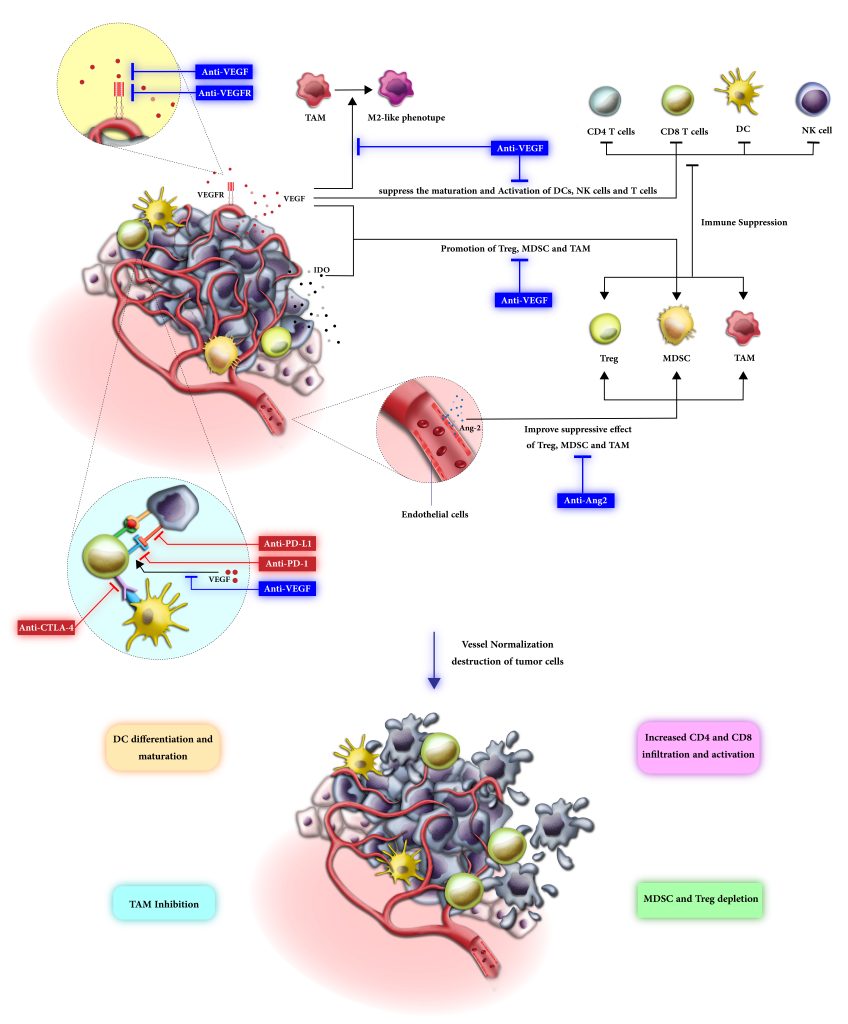
In this article, we explored the potential of SHP2, a key signaling phosphatase, as a therapeutic target in cancer treatment—particularly in overcoming resistance to immune checkpoint therapies. By reviewing current research and combinatorial strategies, the study highlights how inhibiting SHP2 can disrupt cancer-promoting pathways and re-sensitize tumors to immunotherapy. The paper emphasizes SHP2’s central role in both tumor and immune cells, presenting it as a promising druggable node for future targeted therapies.
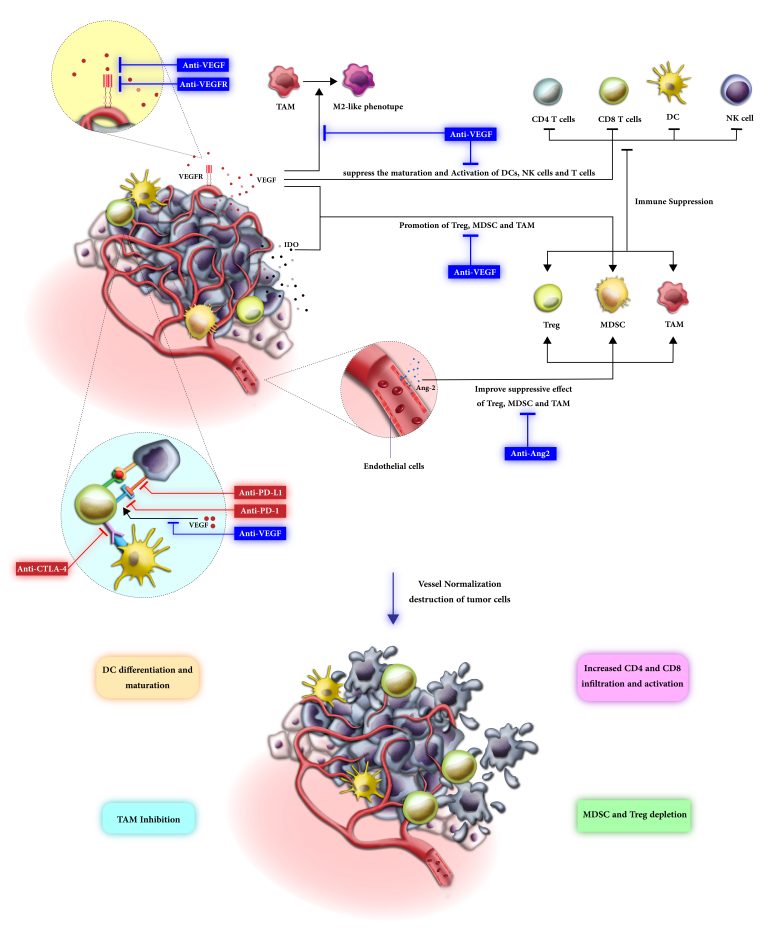
This review explores how polyunsaturated fatty acids (PUFAs), especially omega-3 types, interact with key inflammatory and immune pathways in colorectal cancer (CRC). By examining the molecular mechanisms behind PUFA action, the study sheds light on their potential to influence tumorigenic signaling, immune responses, and therapeutic outcomes. The authors suggest that understanding these interactions could guide the development of novel therapeutic targets and inform combinatory strategies involving PUFAs with immune checkpoint inhibitors or targeted therapies—marking an important step toward more precise and effective interventions for CRC.